Clara Bow: The Rise and Fall of the Fashionable Flapper
It is happening tomorrow. Come see us at Modes of Modernity, an event organized by FIT’s Fashion and Textiles Studies program. Here is still another illustration of the kind of research students will produce. You clearly want to not miss it. Since the event is public and free, come along and bring a friend.
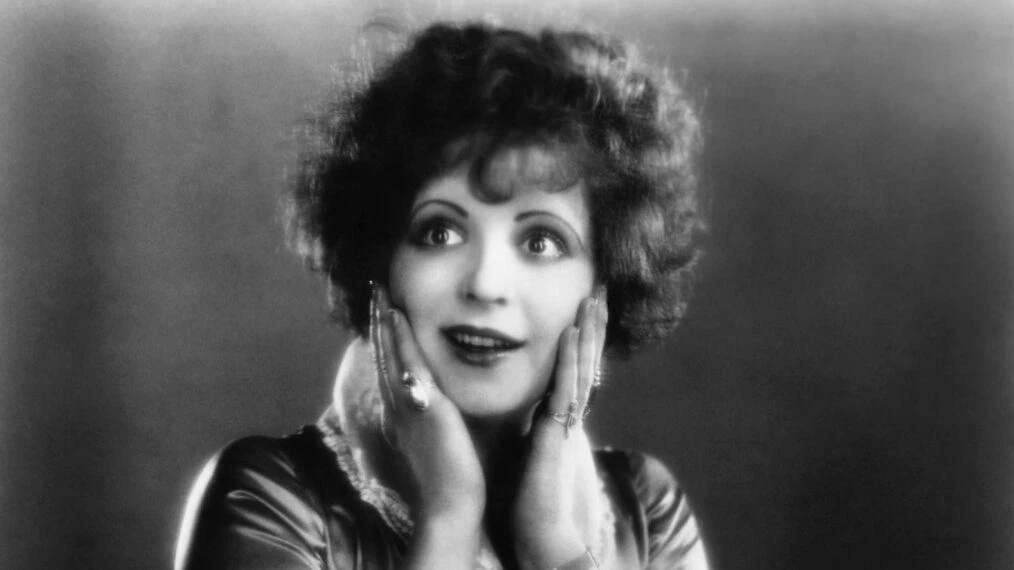
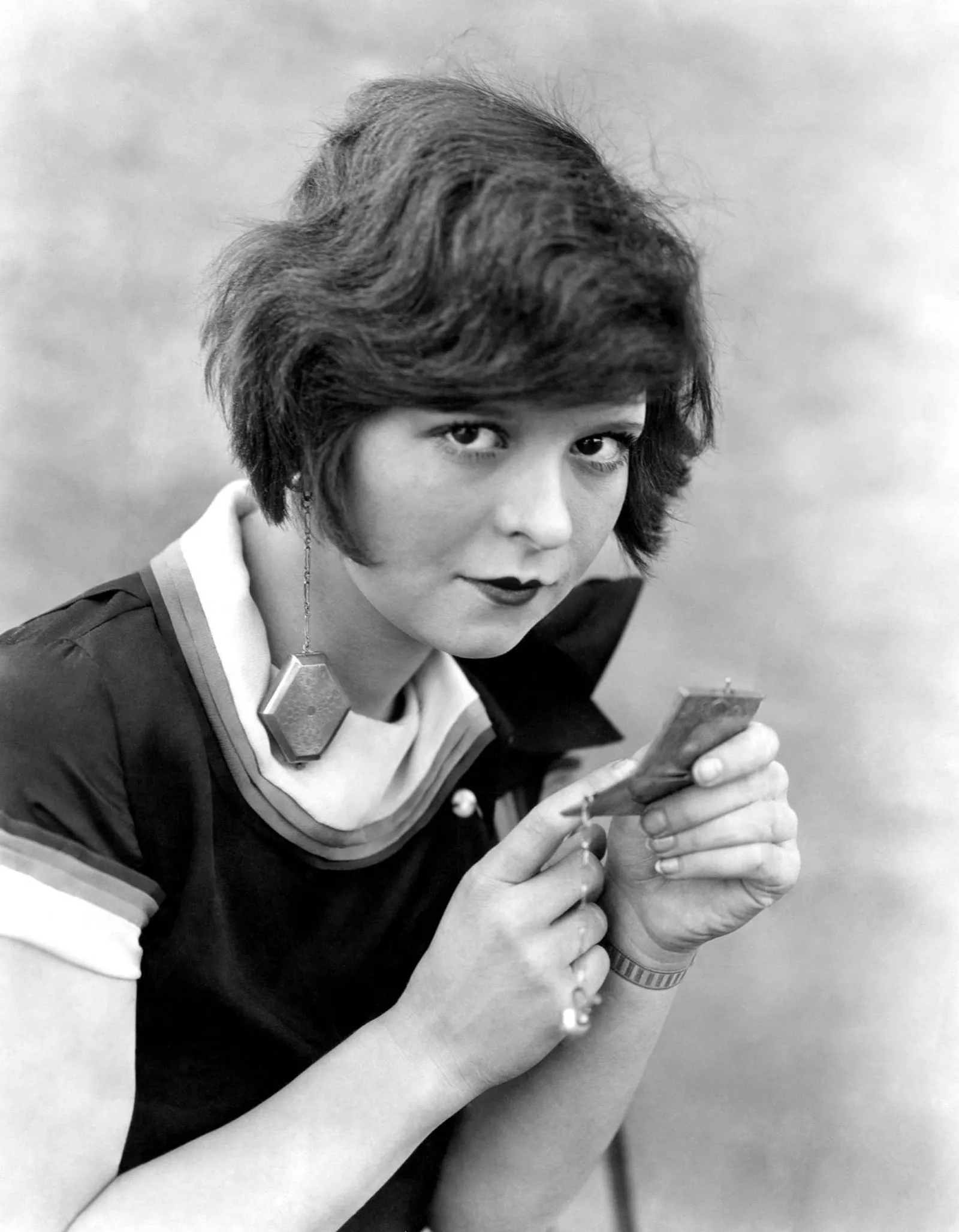 By the middle of the 1920s, Clara Bow (1905–1965) was a Hollywood cinema star. Though her lifestyle, so innovative at the time of her freshly burgeoning film career, grew antiquated as it entered the early 1930s, Bow was the epitome of the zeitgeist of the decade, a “flapper, a modern young woman pushing limits of expected feminine dress and manner.”
Not long after winning Motion Picture Magazine’s Fame and Fortune sweepstakes, Bow fled Brooklyn’s slums for Hollywood. Bow had a modest role in Beyond the Rainbow (1922). She dropped into the new way of life that involved regular reveling, living in the moment, and the unfettered expression of sexuality including many boyfriends and lovers rather than a single, protective husband.
Though maybe none more so than It (1927), which drew large numbers of viewers and confirmed Bow’s reputation as the ideal flapper, her persona radiated through her films.
Though the fashions of the moment shaped her short hemlines, wild red hair, range of hats and flowing head scarves, both on and off film, her star power also greatly affected the flapper image itself. Bow’s energetic, carefree attitude and genuine, flowing acting style drew numerous fans. She was the silent movie It Girl, remarkably unlike the actresses of earlier generations.
The tastes of movie viewers changed when the Great Depression replaced the Jazz Age. Originally thought to be fascinating on and off screen, Bow came to be considered as extreme, reckless, and completely passé. Parallel with the early 1930s development of “talkie” film technology, these developments rejuvenated a fresh view of what it meant to be a modern woman.
Bow’s career ran just 1922 to 1933, yet during that time she made fifty-seven pictures, fifteen features in 1925 alone, and she created a lasting effect in an eleven-year period before her thrilling, modern lifestyle became obsolete. This essay will follow Clara Bow’s growth and decline as a modern emblem of the 1920s and investigate her career and age of influence.
Before arriving at FIT, Danielle J. Morrin interned at Winterthur Museum following her B.P.S. in Fashion Merchandising from Marist College. She completed Advanced Conservation I but is now concentrating on curatorial studies.
She interned in the Costume Institute’s Collections Management Department at the Metropolitan Museum of Art, The Wardrobe and Calvin Klein’s Collections Management Department, and the Curatorial Dept. at Museum at FIT. She is interning in the Curatorial Department of the Costume Institute and is among the curators of the student-run exhibit Beyond Rebellion: Fashioning the Biker Jacket this spring.
کلارا بو: فیشن ایبل فلیپر کا عروج و زوال
یہ ایونٹ کل منعقد ہو رہا ہے۔ Modes of Modernity میں ہمارے ساتھ شامل ہوں—یہ پروگرام فیشن اور ٹیکسٹائل اسٹڈیز کے تحت منعقد کیا جا رہا ہے۔ یہ تحریر اس نوعیت کی تحقیق کی ایک مثال ہے جو طلبہ تیار کرتے ہیں۔ چونکہ یہ ایونٹ عوام کے لیے مفت اور کھلا ہے، اس لیے ضرور آئیں اور کسی دوست کو بھی ساتھ لائیں۔
1920 کی دہائی کے وسط تک کلارا بو (1905–1965) ہالی وُڈ کی ایک بڑی فلمی ستارہ بن چکی تھیں۔ اگرچہ ان کی زندگی کا وہ انداز، جو ان کے فلمی کیریئر کے آغاز میں بے حد جدید سمجھا جاتا تھا، 1930 کی دہائی کے آغاز میں پرانا محسوس ہونے لگا، مگر اس کے باوجود کلارا بو اپنے دور کی روح کی مکمل نمائندہ تھیں۔ وہ ایک فلیپر تھیں—ایسی جدید نوجوان عورت جو لباس، رویّوں اور سماجی حدود کو چیلنج کر رہی تھی۔
Motion Picture Magazine کے Fame and Fortune مقابلے میں کامیابی کے فوراً بعد، کلارا بو بروکلین کی غریب بستیوں سے ہالی وُڈ پہنچیں۔ 1922 کی فلم Beyond the Rainbow میں ایک مختصر کردار کے بعد، وہ ایک ایسے طرزِ زندگی میں ڈھل گئیں جس میں لمحہ موجود سے لطف اٹھانا، تقریبات، اور جنسیت کا بے باک اظہار شامل تھا—ایک محافظ شوہر کے بجائے متعدد تعلقات۔
ان کی شخصیت ان کی فلموں میں نمایاں نظر آتی تھی، خاص طور پر 1927 کی فلم It میں، جس نے بے پناہ مقبولیت حاصل کی اور کلارا بو کو مثالی فلیپر کے طور پر قائم کر دیا۔
اس دور کے فیشن—چھوٹی اسکرٹس، شوخ سرخ بال، مختلف ٹوپیاں اور بہتے اسکارف—چاہے فلم میں ہوں یا حقیقی زندگی میں، کلارا بو کی پہچان بنے۔ ان کی توانائی، بے فکری اور قدرتی اداکاری نے انہیں خاموش فلموں کی مشہور It Girl بنا دیا، جو پچھلی نسل کی اداکاراؤں سے بالکل مختلف تھیں۔
جب عظیم کساد بازاری نے جاز ایج کی جگہ لی تو ناظرین کے ذوق بدل گئے۔ جو انداز پہلے دلکش سمجھا جاتا تھا، وہی بعد میں حد سے زیادہ اور فرسودہ قرار پایا۔ اسی دوران بولتی فلموں (Talkies) کے آغاز نے جدید عورت کے تصور کو نئی شکل دی۔
اگرچہ کلارا بو کا کیریئر صرف 1922 سے 1933 تک رہا، مگر اس مختصر عرصے میں انہوں نے 57 فلمیں کیں، جن میں صرف 1925 میں 15 فیچر فلمیں شامل تھیں۔ گیارہ برسوں میں انہوں نے فیشن اور ثقافت پر ایک گہرا اثر چھوڑا، اس سے پہلے کہ ان کا جدید طرزِ زندگی وقت کے ساتھ پیچھے رہ گیا۔
یہ تحریر کلارا بو کے عروج اور زوال کا جائزہ لیتی ہے اور 1920 کی دہائی میں ان کے اثر و رسوخ کو سمجھنے کی کوشش کرتی ہے۔

1 comment
[…] watched them spread like a storm across feeds from different fashion shows, each frame unhinged yet full of realness that no AI-enhanced or ultra-HD camera could match. His […]