
Description
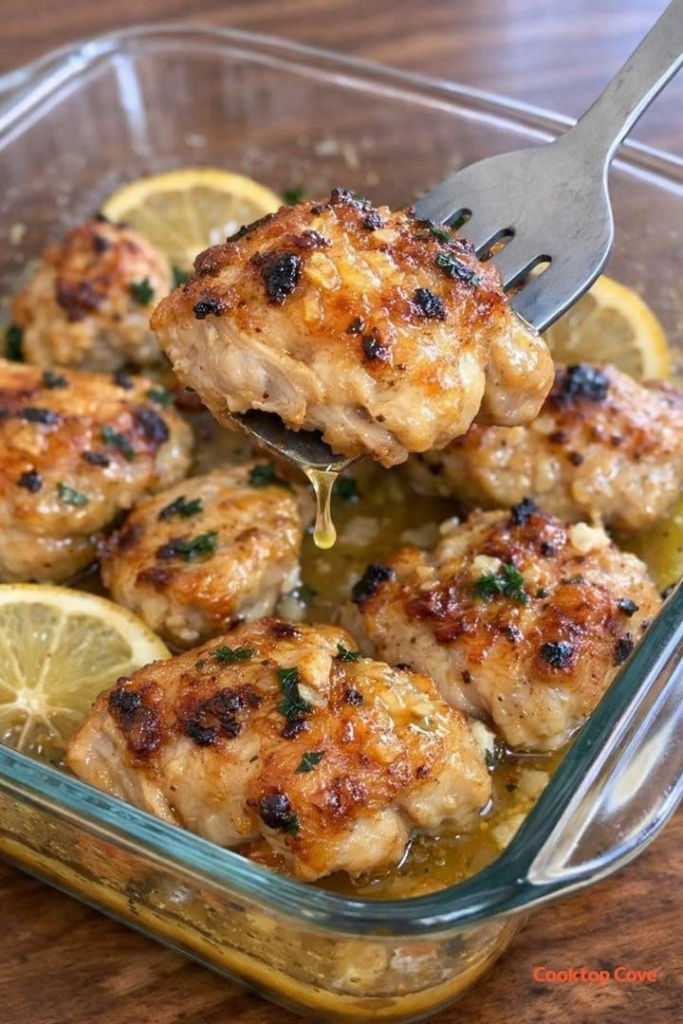
Chicken Francese is a classic Italian-American comfort dish featuring tender chicken cutlets coated in a delicate egg-and-flour crust and finished in a bright lemon-butter sauce. Each bite combines golden, lightly crisp chicken with a silky sauce, fresh lemon, and parsley. It is elegant enough for a special dinner yet quick and simple enough for a weeknight meal.
Can This Chicken Francese Support Weight Loss Goals?
Chicken Francese can fit into a balanced eating pattern because chicken provides lean protein that can make a meal satisfying. The main sources of additional calories are the flour coating, eggs, butter, and oil used for cooking. Keeping portions moderate, using a measured amount of butter, and serving the chicken with vegetables or a light salad can make it easier to fit into a calorie-conscious meal plan.
Does Chicken Francese Fit a High-Protein Lifestyle?
Yes, Chicken Francese can fit well into a high-protein lifestyle because chicken breast is the primary ingredient and provides substantial protein. The recipe contains some carbohydrates from flour and lemon juice, so it is not strictly low-carb, although the net carbs can be kept moderate by using a thin coating. For an even more protein-focused meal, serve it with vegetables or a Greek-yogurt-based side instead of pasta or bread.
Why This Recipe Is Special
- Protein-rich — Tender chicken breast provides a substantial protein base.
- Bright and buttery — Lemon and butter create a silky sauce with fresh acidity.
- Golden coating — A light egg-and-flour coating adds delicate crispness.
- Quick comfort food — Thin chicken cutlets cook quickly on the stovetop.
- Restaurant-style at home — The finished dish looks elegant without complicated techniques.
My Personal Experience
- The lemon sauce is what makes this dish memorable.
Fresh lemon gives the buttery sauce a bright flavor that keeps the chicken from feeling heavy. Adding the lemon juice near the end helps preserve its fresh citrus character.
- Thin chicken cutlets cook beautifully.
They brown quickly while staying tender inside when cooked carefully. Keeping the pieces similar in thickness also makes the cooking time more predictable.
- The egg coating gives the chicken a delicate texture.
It creates a lightly golden exterior without becoming as heavy as a thick breading. A quick dip in flour before the egg helps the coating adhere.
- Fresh parsley makes a simple finishing touch.
Its herbal flavor balances the richness of the butter sauce. A few lemon slices on the plate also make the dish look especially inviting.
Perfect For
Chicken Francese is perfect for weeknight dinners, date nights, family meals, Sunday dinners, dinner parties, Italian-inspired menus, holidays, and special occasions. Serve it with roasted vegetables, green beans, a simple salad, or a modest portion of pasta to complete the meal.
Why You’ll Love This Recipe
- Tender chicken
Thin chicken cutlets cook quickly and remain juicy when not overcooked. The delicate coating gives every piece a satisfying golden finish.
- Silky lemon-butter sauce
Butter adds richness while lemon provides bright acidity. Together they create a balanced sauce that complements the chicken beautifully.
- Fast stovetop dinner
The chicken cooks in just a few minutes per side. It is an excellent choice when you want an impressive meal without a long cooking process.
- High-protein friendly
Chicken breast makes this recipe naturally protein-focused. Pair it with vegetables for a balanced meal without needing a heavy side.
- Easy to customize
Fresh herbs, garlic, white wine, or extra lemon can be added to suit your taste. The basic method remains simple and dependable.
Common Mistakes to Avoid
- Using thick chicken breasts — Thick pieces may brown before the center cooks; pound them evenly for consistent results.
- Overcrowding the skillet — Too many pieces at once can reduce browning and make the coating soggy.
- Using excessive heat — Very high heat can burn the butter and over-brown the coating before the chicken is cooked.
- Adding lemon too early — Add most of the lemon juice toward the end so the sauce retains a fresh citrus flavor.
Required Equipment
- Large skillet — Provides enough surface area for even browning.
- Meat mallet — Helps create evenly thin chicken cutlets that cook quickly.
- Three shallow dishes — Makes flouring, egg dipping, and seasoning more organized.
- Tongs — Allow you to turn the chicken gently without damaging the coating.
- Whisk — Creates a smooth egg mixture and helps emulsify the finishing sauce.
Storage Instructions
Store cooled Chicken Francese and its sauce in an airtight refrigerator-safe container for up to 3–4 days.
For meal prep, store the chicken and sauce together or separately depending on your preference; keeping them separate can help preserve more of the coating’s texture.
The cooked chicken can be frozen for up to 2 months, although the coating will be softer after thawing. Freeze in an airtight freezer-safe container with parchment between pieces if stacking.
Thaw overnight in the refrigerator and reheat gently in a skillet over low to medium-low heat with a splash of broth or water. Avoid very high heat, which can dry out the chicken.
Recipe Details
- Preparation Time: 15 minutes
- Cooking Time: 20 minutes
- Total Time: 35 minutes
- Servings: 4
- Best Season: All-season
- Total Calories: Approximately 410 calories per serving
Calories are an approximate estimate and vary according to the amount of oil, butter, flour, and chicken used.
Short Description
Tender chicken cutlets are lightly coated and pan-seared until golden. A silky lemon-butter sauce adds bright, savory flavor to every bite. An easy protein-rich Italian-American dinner that’s elegant enough for entertaining.
📝 Ingredients
For the Chicken
- 4 boneless, skinless chicken breasts, about 6 oz (170 g) each
- 1/2 cup (60 g) all-purpose flour
- 2 large eggs
- 2 tablespoons water
- 1/2 teaspoon salt
- 1/2 teaspoon black pepper
- 2 tablespoons olive oil
- 1 tablespoon unsalted butter
For the Lemon-Butter Sauce
- 1 cup (240 ml) low-sodium chicken broth
- 1/2 cup (120 ml) dry white wine, optional
- 3 tablespoons fresh lemon juice
- 3 tablespoons unsalted butter
- 2 tablespoons chopped fresh parsley
- 1/2 teaspoon garlic powder
- 1/4 teaspoon black pepper
- Lemon slices, optional, for serving
Ingredient note: If you prefer not to use wine, replace it with an additional 1/2 cup chicken broth. Freshly squeezed lemon juice gives the sauce a much brighter flavor than bottled lemon juice.
Directions
- Prepare the chicken.
Slice each chicken breast horizontally into two thinner cutlets, or place the breasts between sheets of parchment and gently pound them to about 1/4 inch (6 mm) thick.
- Season the chicken.
Sprinkle both sides with salt and black pepper. Allow the seasoned chicken to sit for approximately 5 minutes while preparing the coating.
- Set up the coating.
Place flour in one shallow dish. In another, whisk together the eggs and water until smooth. Dip each chicken cutlet lightly into the flour, shaking off excess, then coat it evenly in the egg mixture.
- Heat the skillet.
Place a large skillet over medium heat and add olive oil and 1 tablespoon butter. Heat for approximately 1–2 minutes, until the butter is melted and lightly foamy but not browned.
- Cook the chicken.
Add the coated chicken in a single layer without overcrowding the skillet. Cook for approximately 3–4 minutes per side, adjusting the heat to medium-low if the coating begins browning too quickly. The chicken should be golden and cooked through.
- Check doneness.
The thickest part of the chicken should reach 165°F (74°C). Transfer the cooked chicken to a clean plate and loosely cover it.
- Deglaze the skillet.
Carefully pour in the chicken broth and optional white wine. Increase the heat to medium-high and simmer for 3–5 minutes, scraping up the flavorful browned bits from the pan.
- Build the sauce.
Add lemon juice, garlic powder, and black pepper. Simmer for another 1–2 minutes until the liquid reduces slightly.
- Finish with butter.
Reduce the heat to low and whisk in the remaining 3 tablespoons butter, one tablespoon at a time. The sauce should become glossy and lightly thickened.
- Return the chicken.
Place the chicken back into the skillet and spoon the sauce over the cutlets. Warm gently for 1–2 minutes without boiling the sauce.
- Garnish and serve.
Sprinkle with fresh parsley and garnish with lemon slices. Serve immediately while the chicken is tender and the sauce is silky.
High-protein tip: Use skinless chicken breast and keep the coating thin to maximize the protein-to-calorie ratio. Serve with roasted broccoli, asparagus, green beans, or a large salad instead of a large pasta portion for a more protein-focused meal.
Nutrition Facts — Per Serving, Approximate
- Calories: 410 kcal
- Fats: 23 g
- Cholesterol: 175 mg
- Sodium: 520 mg
- Potassium: 690 mg
- Total Carbohydrates: 14 g
- Fiber: 1 g
- Net Carbs: 13 g
- Sugars: 2 g
- Protein: 39 g
- Calcium: 35 mg
Nutrition values are approximate and can vary according to the chicken size, flour coating, butter, oil, and optional wine.
Notes
- Storage: Refrigerate leftovers in an airtight container for 3–4 days.
- Reheating: Warm gently in a skillet over low to medium-low heat with a small splash of broth to refresh the sauce.
- Freezing: Freeze cooked chicken for up to 2 months; expect some loss of coating crispness after thawing.
- Allergy note: Contains eggs, wheat, and dairy; wine should be omitted if needed.
- Flavor boost: Add fresh garlic, extra lemon zest, capers, or additional parsley.
- Crispier coating: Shake off excess flour and egg before placing the chicken in the skillet.
- Sauce consistency: If the sauce becomes too thick, whisk in a tablespoon or two of warm broth.
- Serving idea: Pair with roasted asparagus, broccoli, green beans, or a simple arugula salad.
Frequently Asked Questions
1. What does Francese mean in Chicken Francese? It refers to the Italian-American preparation in which chicken is lightly coated, dipped in egg, pan-cooked, and served with a lemon-butter sauce.
2. Can I use chicken thighs instead of chicken breast? Yes, boneless skinless thighs can be used, although they may require a little longer cooking because they are naturally thicker and more fatty.
3. Can I make Chicken Francese without wine? Yes, simply replace the wine with additional low-sodium chicken broth.
4. How do I keep the chicken coating from falling off? Pat the chicken dry, use a light coating of flour, shake off excess, and avoid moving the chicken excessively while it cooks.
5. Can I make this recipe ahead of time? Yes, cook the chicken and sauce ahead, refrigerate them, and gently reheat them together before serving.