Oura Facing Class Action Lawsuit Over Smart Ring Sleep-Tracking Accuracy
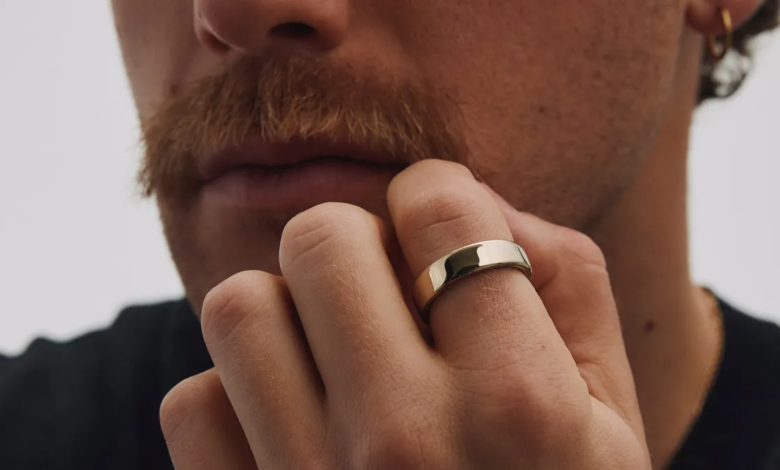
Smart ring maker Oura is confronting legal trouble following a class action lawsuit that accuses the company of misleading consumers regarding the reliability of its sleep-tracking features. The lawsuit targets the core premise of biometric wearables, questioning whether devices worn on the finger or wrist can accurately detect sleep stages without measuring brain activity.
Claims of Misleading Marketing
The suit was brought by plaintiff Madison Surber, who purchased an Oura Ring last year for $503 under the impression that it provided precise sleep tracking. Surber claims she paid an inflated price for a device that failed to deliver on its promotional promises.
According to the legal filing, Oura relies on deceptive marketing to sell consumers on technology that cannot deliver accurate sleep diagnostics. The complaint emphasizes that sleep is fundamentally a neurological process centered in the brain rather than the extremities. Consequently, the lawsuit argues that a ring lacks the hardware necessary to record essential sleep indicators, such as brain wave patterns, rapid eye movement, cardiac activity, muscle tone, and appropriate photoplethysmography (PPG) data.
The complaint alleges that Oura’s system uses artificial intelligence algorithms to make educated guesses about a user’s sleep state based on inadequate inputs. By presenting these algorithmic inferences as established science, the lawsuit claims the business takes unfair advantage of consumers seeking reliable health and sleep information.


Scientific Studies and Industry Implications
To support its claims, the lawsuit highlights a study published in Nature that evaluated the smart ring’s performance in categorizing sleep stages. The study concluded that the device achieved an overall accuracy rate of just 53 percent—a figure the lawsuit equates to a coin flip.
The case could have broader consequences for the growing health wearables market. Countless smartwatches and biometric rings rely on similar peripheral metrics—including heart rate variability, skin temperature, respiratory rate, and blood oxygen saturation—to estimate sleep quality and performance. If courts determine that finger- and wrist-based sensors cannot legally or scientifically claim to track sleep stages accurately, standard marketing practices across the wearable industry may be forced to change.
Oura Pushes Back
Oura has defended its technology, rejecting the claims made in the lawsuit and maintaining that its sleep tracking is grounded in validated science.
The company stated that numerous peer-reviewed, independent scientific studies confirm that distinct sleep stages produce distinct and measurable physiological changes across the body. Oura contends that monitoring these reproducible biological signals allows its hardware to reliably identify and classify sleep stages, supporting the accuracy claims it makes to consumers.